When you rent a car in Canada, it feels simple. You drive, you return the keys, and your trip is done. But traffic tickets in Canada can arrive later. Many fines and toll bills are linked to the vehicle’s licence plate and are first sent to the registered owner, who is often the rental company.
With rental cars in Canada, the delayed billing process catches many travellers off guard. Our guide explains what usually happens when you get a ticket, a parking fine, or a toll charge, and the steps you should take.
If you are driving a rental vehicle, the paper trail often begins with the rental company because they are the registered owner of the car. That is why a fine can reach you weeks after your holiday, even if you never saw a ticket on the windscreen.
Traffic fines can be confusing because rules vary by province. Some tickets, like camera fines, go to the vehicle’s owner, while others from police stops are issued to the driver.
The big reason you should care is your rental contract. Most major rental agreements allow the company to charge your saved payment method for fines, tolls, and handling fees, even after the rental ends.
Also, every ticket has a time deadline. If you want to dispute a fine, you normally need to act within the period printed on the notice. For example, some programmes mention 30 days to dispute or enter a plea.
Finally, some offences affect a driving record, like penalty points or demerit points, while others do not, especially when the driver cannot be identified from a camera image.
In Canada, legal responsibility depends on the ticket type and how the offence is proven. Some offences are handled as owner responsibility, which means the owner pays because the driver cannot be identified, while others are driver responsibility, which means the driver is identified and can receive points or other licence consequences.
Rental cars make things more complicated. Even if the law says the owner pays first, your rental agreement usually requires you to reimburse the rental company for any charges during your rental period. This means rental cars in Canada involve both legal rules and contract terms.
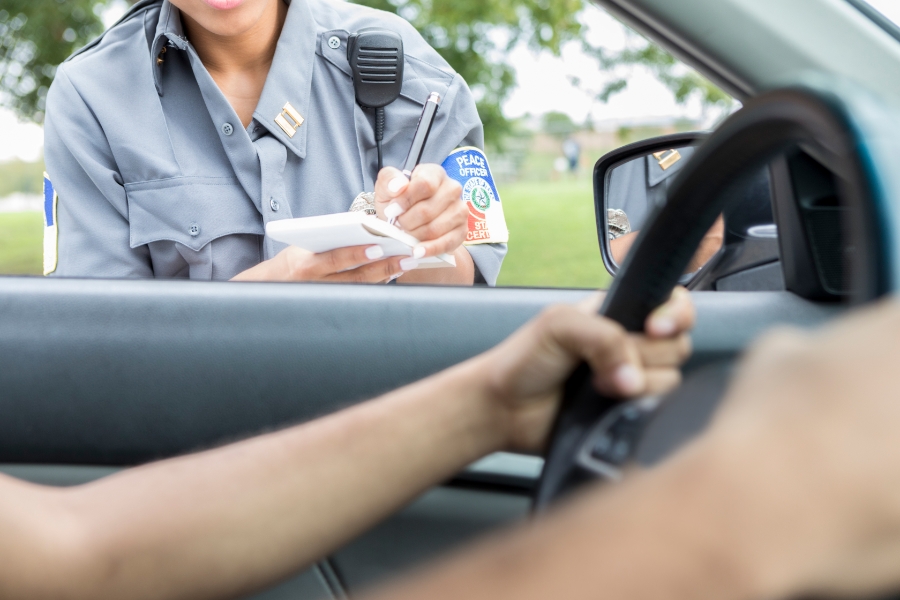
If a police officer stops you and issues a ticket in your name. These tickets may also carry demerit or penalty points, depending on the province and offence. Simply put, if a ticket is linked to your licence and name, it follows you, not the car.
Many camera or plate-based notices are sent to the vehicle owner first. For example, Toronto’s automated speed enforcement tickets go to the owner, no matter who was driving.
So, where does that leave you with a rental? The rental company may receive the notice first because the notice is sent to the registered owner, and then use the rental booking data, including date, time, and vehicle, to link liability costs back to you.
For you, the practical takeaway is simple: keep evidence, including your rental agreement, trip dates, and any receipts, because you may need it to confirm the fine matches your rental period.
Most rental companies use a standard back-office flow. They receive an electronic notice, which can be a ticket, toll, or violation, match it to your rental contract using time and plate data, and then charge you according to the terms you accepted at the counter.
When you pick up your rental in Canada, you usually authorise the company to keep a payment method on file. That is not only for the rental price. Companies often use it to recover later costs like tolls, parking fines, or other traffic violations.
For example, if you paid with a credit or debit card, they will directly charge the card listed on your rental agreement, with no extra action needed from you. Your card details become the bridge that lets a ticket turn into a later charge, even after your holiday is over.
Once the notice arrives, the company’s system creates an invoice or a charge line item, usually with the fine amount plus a service fee for processing. Under the rental agreement, you are responsible for costs, fines, violations, tolls, and an administrative fee for processing and billing.
That extra fee is often labelled as an admin fee or administrative fee. It exists because the company is doing the work of receiving the notice, identifying the renter, and billing the right person.
You might not always receive the original paper ticket copy. Car rental companies typically receive electronic notifications, and paper copies are generally not available.
Because of that, your best proof is usually your rental paperwork and whatever the company sends you, such as a letter or email with date, time, and location details, plus what appears on your bank statement.
Tickets in Canada are processed in different ways. Some are issued on the roadside by an officer, while others are created later from cameras or electronic toll systems and mailed to the vehicle owner.
The most common issues are speeding and signal violations. Many camera systems take photos of the vehicle and licence plate, and if an offence is confirmed, a ticket is mailed to the registered owner. These automated tickets often do not carry demerit points or affect driving records.
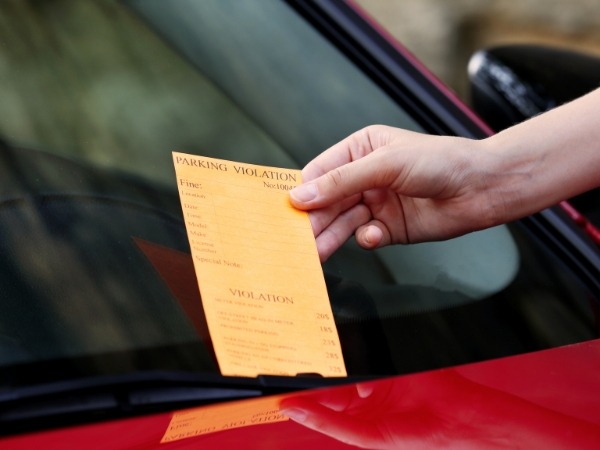
Parking rules change a lot from city to city, and the fines can come from public streets or private facilities. In many cities, the registered owner is responsible for parking by-law tickets even if someone else was operating the vehicle. That means a parking ticket left on your windscreen can become a later charge to your rental agreement if you forget to pay it.
Toll roads can surprise visitors because Canada has fewer toll routes than some countries, but the ones that exist can be fully electronic. Ontario’s Highway 407 ETR, for example, bills based on detection systems and sends the bill to the registered owner of the licence plate.
In Canada, the system works so the owner gets the notice first and the renter pays later. So, stay calm if a charge shows up after your trip. Keep your final rental receipt, leave a small budget buffer for post-trip fees, and always check that any fine date and time matches your rental period before you pay or dispute.
Book a car in Canada with Final Rentals to enjoy a smooth car rental experience. Select your pickup location, enter your travel dates, and choose a vehicle for your trip. Book and manage your car rental at any time. Download the Final Rentals app on Google Play and the App Store.
In most cases, you pay either directly to the issuing authority if the ticket is issued to you or indirectly when the rental company charges you after receiving a plate-based notice as the registered owner.
It can take weeks because agencies first send the notice to the registered owner, and then the rental company processes it. It often takes around one to four weeks, and sometimes longer, for toll or violation information to arrive and be billed.
Ask whether the car has a toll programme, how toll roads are billed, especially electronic toll routes, and what administrative fees apply for tickets, tolls, parking notices, or automated camera violations.