Finalrentals Blog

Published in Travel Category.
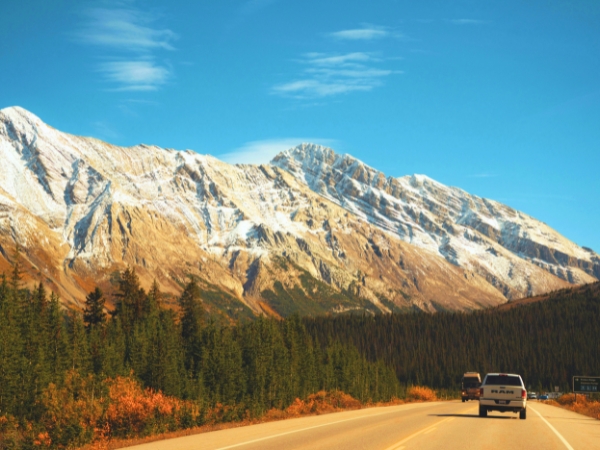
Canada’s high peaks and glacier lakes make every drive memorable. Many mountain parks in Canada are far from cities and regular public transport, but you can rent a car to carry hiking gear and stop at viewpoints. Several are among the best national parks in Canada for a scenic road trip. Our guide covers driving routes, park access, parking, seasonal roads, fuel stops, and the best types of cars to rent.
Best Canadian Rockies Mountain Parks to Reach by Car
The main Canadian Rockies parks connect through Trans-Canada Highway (Highway 1), the Yellowhead Highway (Highway 16), and the Icefields Parkway/Banff-Windermere Highway (Highway 93). Check the weather and road reports before entering high passes.
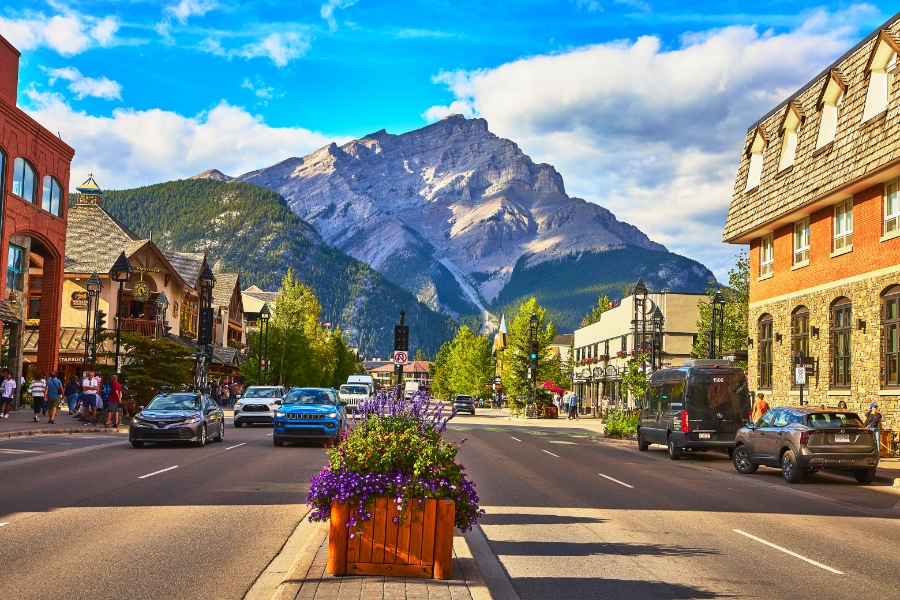
Banff National Park From Calgary
The main Calgary route follows Highway 1 for about 130 kilometres. The drive usually takes 1 hour and 30 minutes to 2 hours. Stop in Canmore, Bow Falls, or Vermilion Lakes when parking allows. Lake Louise has paid parking and heavy summer demand. Personal cars cannot enter Moraine Lake Road. Reserve a park shuttle, public bus, or approved tour before arriving. One valid park pass covers Banff and Lake Louise.
Jasper National Park From Edmonton or Banff

The Edmonton route west follows Highway 16 through Hinton for about 370 kilometres. From Lake Louise, Highway 93 crosses the Icefields Parkway for roughly 230 kilometres.
When driving from Banff to Jasper, stop at Bow Lake, Columbia Icefield, and Athabasca Falls. Fill your tank before departure. The parkway has one fuel station, limited services, and unreliable mobile coverage. Winter drivers need suitable tyres and must check closures.
Yoho National Park From Banff or Golden
Highway 1 leads into Yoho National Park through Field from Banff, Lake Louise, Calgary, or Golden. Emerald Lake and Natural Bridge have small parking areas. Arrive early because spaces fill quickly. Yoho Valley Road connects Highway 1 with Takakkaw Falls from late June until mid-October. Opening dates depend on snow conditions. Trailers are banned, while longer vehicles must reverse around tight bends.
Kootenay National Park From Banff or Radium
Highway 93 runs south from Castle Junction towards Radium Hot Springs. Stop at Marble Canyon, Paint Pots, Sinclair Canyon, and the hot pool. Each main stop has nearby parking. The paved route has sharp bends and steep sections. Ice can remain during colder months. Carry a valid park pass and follow posted speed limits.
Waterton Lakes National Park, from Calgary or Lethbridge
Highway 6 enters Waterton through Pincher Creek. Calgary is about 270 kilometres north, while Lethbridge offers a shorter starting point. Fill up your tank before entering, as local winter fuel options are limited. Cameron Falls, Red Rock Canyon, and Cameron Lake have parking. Lots often fill during summer weekends. Red Rock Parkway closes to cars in winter. Part of Akamina Parkway also closes for winter recreation.
More Mountain Parks in Canada for Scenic Road Trips
These scenic parks beyond Alberta combine alpine roads with coastal routes and remote northern views. Long distances make fuel planning and offline maps important.
Mount Revelstoke National Park From Kelowna or Calgary
Highway 1 reaches Revelstoke from Calgary, while Highway 97 connects the route from Kelowna. The 26-kilometre Meadows in the Sky Parkway climbs towards Balsam Lake and summit trails. The opening date depends on the snow, which often falls in summer. The road has narrow bends and limited parking at the summit. Vehicles over 7.9 metres and towed trailers cannot continue.
Glacier National Park From Revelstoke or Golden
Rogers Pass is located between Revelstoke and Golden on Highway 1. Stop at the visitor centre before exploring Loop Brook, waterfalls, or the Abbott Ridge area. Fuel is unavailable at Rogers Pass, so fill up in Golden or Revelstoke. Heavy snow and avalanche work can close the highway. Check current road reports before leaving.
Book a vehicle online with Final Rentals for unlimited mileage and winter tyres from October through March.
Kluane National Park From Whitehorse
The Alaska Highway leads west from Whitehorse to Haines Junction in about 2 hours. Use the town as your base for Kathleen Lake and nearby viewpoints. Long gaps separate fuel stops, and mobile coverage can be unreliable. Carry food, water, warm layers, and offline maps. Winter roads may be icy, so check Yukon road reports.
Gros Morne National Park From Deer Lake or Nova Scotia
Deer Lake offers access to Gros Morne through Highway 1 and Route 430. The airport lies about 35 kilometres from the park boundary. Rocky Harbour and Norris Point work well as bases.
Drivers from Nova Scotia can take the ferry from North Sydney to Port aux Basques. The crossing takes about 6 hours. The park boundary is about 300 kilometres away. Use Routes 430 and 431 for the Tablelands, Bonne Bay, Trout River, and Woody Point. Mobile coverage can be limited, so keep offline directions ready.
Cape Breton Highlands National Park From Halifax or Sydney
The Cabot Trail crosses Cape Breton Highlands National Park from Chéticamp to Ingonish. Halifax drivers reach Cape Breton through the Canso Causeway. Sydney offers a shorter island starting point. Stop at French Mountain, Middle Head, and the Skyline Trail. The roads are paved but winding. Skyline Trail parking needs a reservation, usually from June to October.
How to Plan Driving Through Canada’s Mountain Parks

Planning your route helps you explore mountain parks in Canada without rushing between distant stops. Match your booking and supplies to local conditions.
Choose Your Airport and Car Pick-Up City
Start near your first park. Calgary and Edmonton serve the Rockies. Kelowna works for British Columbia, while Whitehorse serves Kluane. Choose Deer Lake for Gros Morne. Halifax and Sydney serve Cape Breton. Book early during the summer and autumn. Airport car hire desks may have limited availability of larger car types during busy weeks.
Match Your Car to the Route and Season
Choose space for everyone, luggage, and outdoor gear. A compact car works on paved summer routes. An SUV offers extra luggage space and higher ground clearance. Winter or shoulder-season trips need suitable tyres. British Columbia requires approved winter tyres on many routes from October through April. Download offline maps and carry basic emergency supplies.
Plan Passes, Parking, and Reservations
Most national parks charge daily admission, while some accept annual passes. Seasonal offers may also provide free entry. Camping and shuttle bookings remain separate. Reserve Lake Louise transport and Skyline Trail parking before busy dates. Arrive early at Emerald Lake, Takakkaw Falls, Waterton, and Mount Revelstoke. Park only in marked spaces.
Check Fuel, Weather, and Wildlife
Fill up before remote roads such as the Icefields Parkway, Rogers Pass, and routes near Kluane. Check provincial road reports and park alerts each morning. Slow down near wildlife, especially around dawn and dusk. Use lower gears on long descents. Pull fully into a marked area before taking photographs.
Takeaway
Mountain parks in Canada are shaped by long distances, changing weather, and seasonal road access. Calgary Airport is a practical starting point for Banff, Lake Louise, and other parks across the Canadian Rockies. Choose enough luggage space for outdoor gear, especially when travelling with family or visiting several parks.
Rent a car in Canada with Final Rentals to compare compact cars, SUVs, minivans, and passenger vans. Selected bookings included unlimited mileage, third-party liability, and free amendments. Book and manage your car rental at any time. Download the Final Rentals app on Google Play and the App Store.
Frequently Asked Questions
What are the best mountain parks in Canada to visit by car?
Banff, Jasper, Yoho, Kootenay, Waterton, Mount Revelstoke, Glacier, Kluane, Gros Morne, and Cape Breton Highlands are all top mountain parks in Canada. Each has paved roads and parking near trailheads, so a car is needed to reach their scenic spots. For example, Banff and Jasper have well-maintained highways and shuttle parking, while Gros Morne and Cape Breton require longer drives on island roads.
How far is the drive from Banff to Jasper, and what should I plan for?
Driving from Banff to Jasper on the Icefields Parkway is about 230 km, roughly a 3 to 4 hour drive. It’s one of the most scenic roads in the world. Plan to fill up your gas tank before leaving Lake Louise because there is only one gas station in 232 km. Also, expect no cell coverage along this route. Check weather and road reports before you go, and allocate extra time for stops at viewpoints like the Columbia Icefield.
Is renting a car in Canada necessary for visiting the mountain parks?
Yes. Most Canadian mountain parks are in remote areas without regular public transit. Renting a car in Canada is the easiest way to reach them. Major airports (Calgary, Edmonton, Whitehorse, Deer Lake, Halifax/Sydney, etc.) have rental agencies. A car allows you to carry gear and make flexible stops. For winter trips, especially, choose a rental with winter tyres or an all-wheel-drive SUV for safety.